

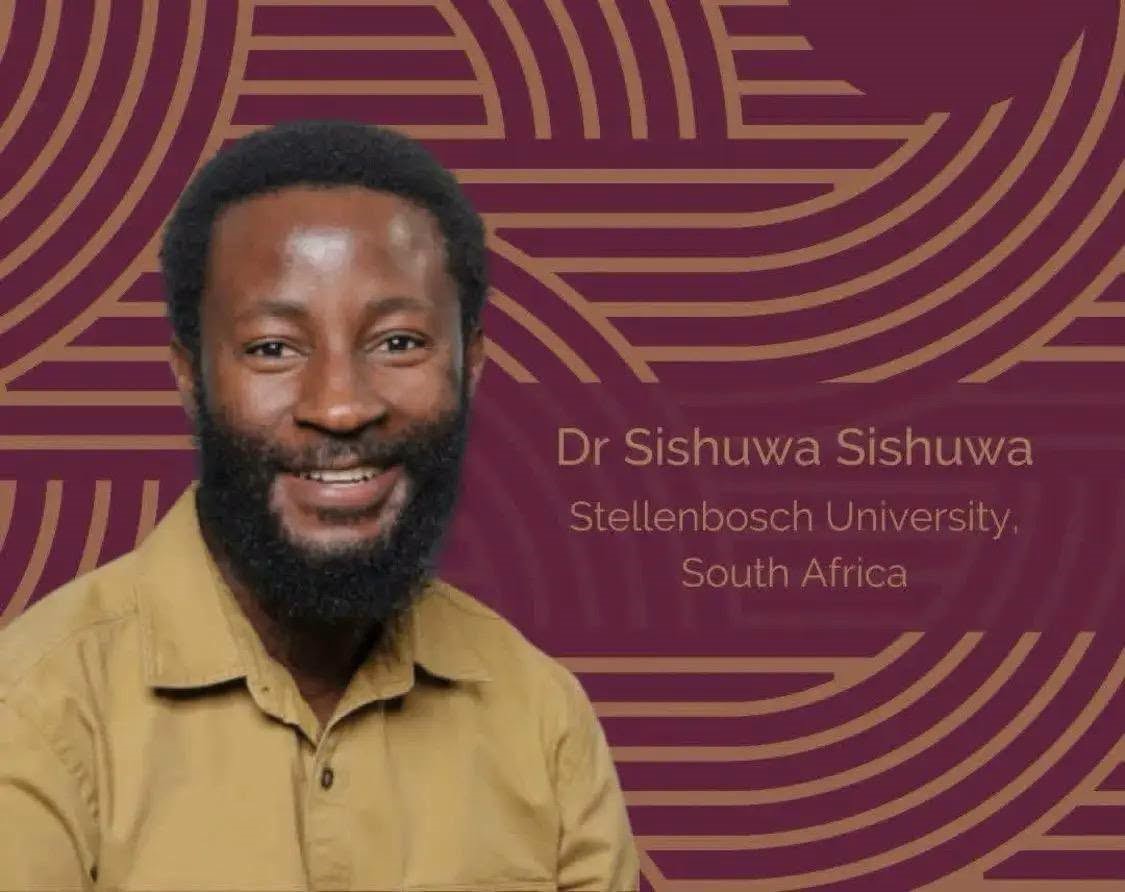
A South African university has publicly defended Zambian academic and political commentator Dr. Sishuwa Sishuwa following calls from some supporters of President Hakainde Hichilema and the ruling UPND for the institution to intervene over his public criticism of the Zambian government.
Stellenbosch University, where Dr. Sishuwa serves as a Senior Lecturer in the Department of History, defended the principle of academic freedom after concerns were raised over his recent public commentary on Zambia’s political environment.
The development follows an open letter addressed to the university by Masheke Akashambatwa, a known supporter of President Hichilema based in the United States, who requested the institution to review whether Dr. Sishuwa’s public statements were consistent with standards expected of academic staff.
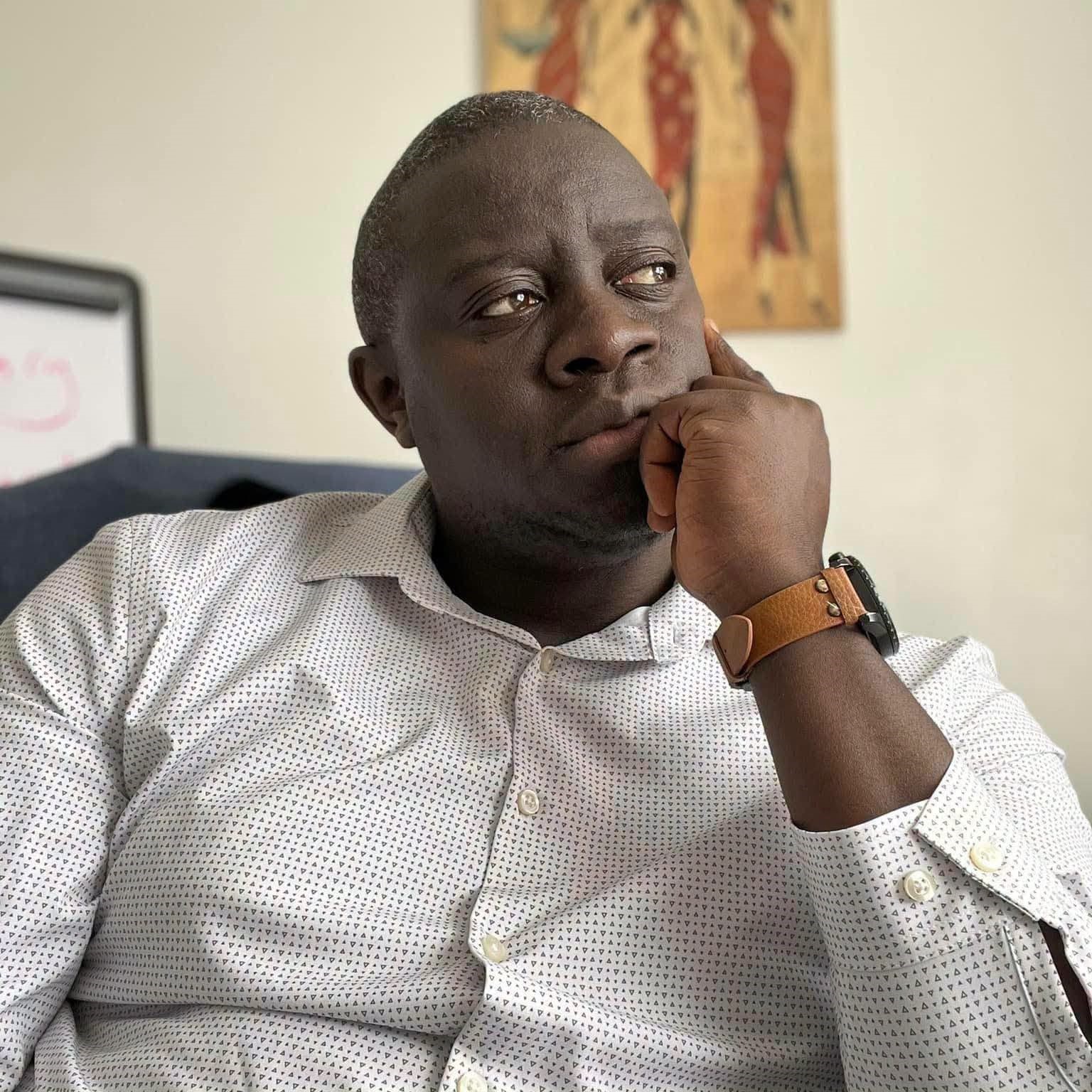 In his letter, Akashambatwa stated that while he supported academic freedom and freedom of expression, he was concerned by what he described as increasingly provocative public remarks made by Dr. Sishuwa regarding President Hichilema and Zambia’s democratic processes.
He referenced statements attributed to Dr. Sishuwa in which the academic allegedly argued that President Hichilema could only lose the upcoming election through death or what he termed “industrial scale vote-rigging.”
Akashambatwa also cited another article in which Dr. Sishuwa reportedly wrote that if the President “left office or died today,” he would not miss him and suggested that many citizens privately felt similarly due to dissatisfaction with government performance.
According to Akashambatwa, criticism of leaders is legitimate in democratic societies but public commentary from academics should remain evidence-based and avoid language that could contribute to political polarization.
He further argued that Dr. Sishuwa’s association with respected institutions, including his previous work and academic engagements abroad, carried additional responsibility for careful public discourse.
However, Stellenbosch University responded by strongly defending the role of independent scholarship and academic expression.
In a statement circulating publicly, the university said Dr. Sishuwa’s work represented rigorous academic engagement rather than political activism.
The institution stated that:
- Dr. Sishuwa’s analysis reflects the highest standards of independent scholarship.
- Academic freedom becomes meaningless if universities censor scholars for robust criticism of state power.
- His assessments of democratic backsliding and institutional capture are grounded in historical and political analysis.
- Universities have a responsibility to protect intellectuals who expose structural weaknesses in democratic systems.
- Restricting critical academic voices under claims of maintaining collegiality risks weakening democratic public debate and enabling authoritarian tendencies.
The development has sparked debate online over where the line should be drawn between academic freedom and public responsibility.
Supporters of Dr. Sishuwa argue that universities exist to protect independent thought and critical inquiry, especially where scholars challenge governments and public institutions.
Others contend that academics who enter political debate should ensure that strong public claims are backed by verifiable evidence and careful language given the influence attached to academic authority.
Dr. Sishuwa has in recent years emerged as one of Zambia’s most prominent public intellectuals and political commentators, frequently writing on governance, elections, democracy and constitutional issues.
His commentary has often attracted both praise and criticism from across Zambia’s political divide.
By press time, Dr. Sishuwa had not issued any additional public response regarding the latest developments.