
…Haimbe, Chilengi, Nkoma, Siame and Anakoka Take Oath

The five are among up to 11 MPs the President can nominate under the new parliamentary structure, with the Speaker saying the swearing-in of other nominated and proportional-representation MPs will follow.
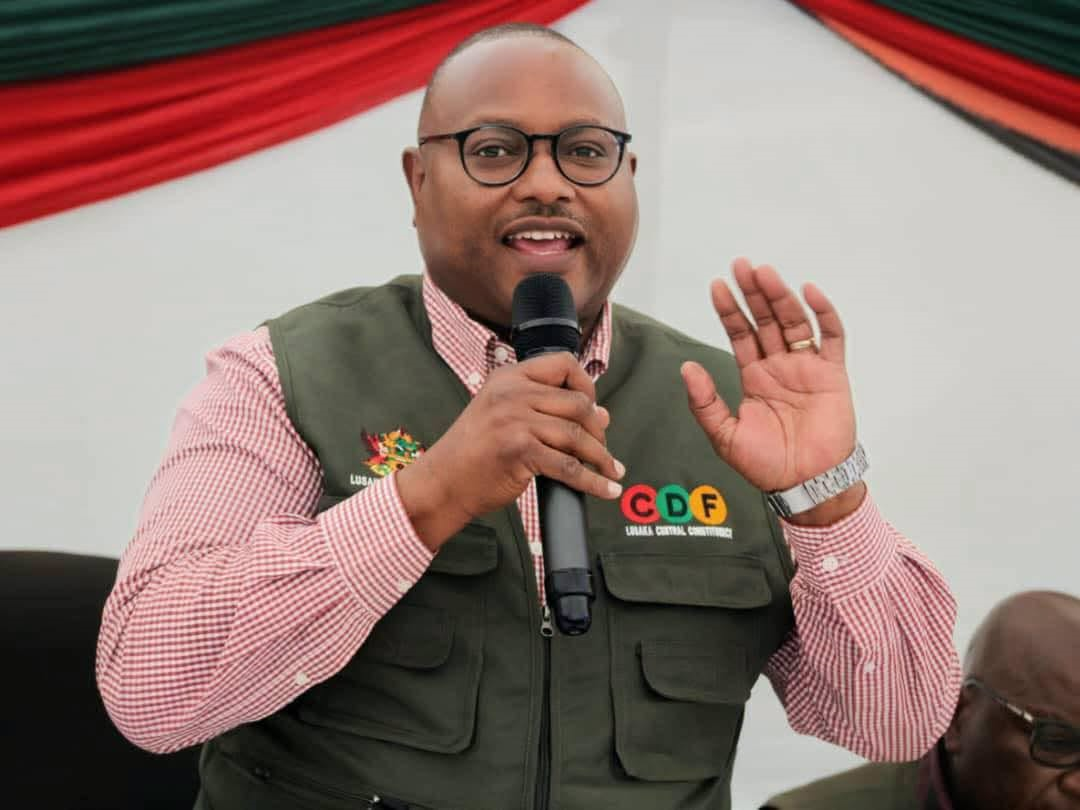
Mulambo Haimbe
Noel Nkoma

LUSAKA — President Hakainde Hichilema has nominated the first five Members of Parliament under the new structure of Zambia’s 14th National Assembly, with former Foreign Affairs Minister Mulambo Haimbe among those sworn into office.

The other four nominees are Dr Roma Chilengi, former Director-General of the Zambia National Public Health Institute; economist Noel Nkoma; University of Zambia academic Dr Gilbert Siame; and former Luena MP Mubita Anakoka.

The five were sworn in by National Assembly Speaker Nelly Mutti, SC, who indicated that the swearing-in of the remaining nominated MPs and proportional-representation MPs would proceed in due course.

Why this matters

This is the first group of presidential nominees entering the expanded National Assembly created under the constitutional changes that took effect ahead of the 2026 election.

The Constitution now provides for 226 constituency-based MPs, 40 proportional-representation MPs and not more than 11 nominated MPs. The nominated positions may be used to enhance representation of special interests, skills or gender.

That gives us a very good ZE EXPLAINS box:

Who are Hichilema’s five nominees?

Mulambo Haimbe — former Minister of Foreign Affairs.

Dr Roma Chilengi — former Director-General, Zambia National Public Health Institute.

Noel Nkoma — economist.

Dr Gilbert Siame — University of Zambia academic.

Mubita Anakoka — former MP for Luena Constituency.

Who are the five nominees — and why do they matter?

The five nominees bring a mixture of political experience, public administration, health expertise, economics and academia into the new National Assembly.

Mulambo Haimbe returns to Parliament after serving as Minister of Foreign Affairs. He previously represented Lusaka Central in the National Assembly and has also served as Minister of Justice. His return gives the new House an experienced politician and former Cabinet minister.

Dr Roma Chilengi, the former Director-General of the Zambia National Public Health Institute, brings experience from Zambia’s public-health sector. His nomination adds technical expertise from outside traditional electoral politics.

Noel Nkoma, an economist, brings an economic and financial perspective to Parliament at a time when issues such as economic growth, public debt, investment, employment and the cost of living are likely to remain central to the national debate.

Dr Gilbert Siame, an academic from the University of Zambia, brings expertise from the higher-education and research sector, adding an academic voice to the legislature.

Mubita Anakoka, a former Member of Parliament for Luena Constituency, returns to the House with previous parliamentary experience.

Taken together, the five nominations give an indication of how presidential nominations can be used to bring specialised skills and experience into Parliament alongside constituency-elected representatives.

Why does the President nominate MPs?

The nominated seats are not simply additional political appointments. Under Zambia’s constitutional framework, the National Assembly can include not more than 11 nominated MPs. The amended structure also provides for 226 constituency-based MPs and 40 MPs elected through proportional representation — comprising 20 women, 15 youths and five persons with disabilities.

This means the new Parliament is designed to combine geographical representation through constituencies with broader representation through nominations and proportional representation.

The five nominees sworn in today therefore represent only part of the new parliamentary structure.

How will the new Parliament be structured?

At full composition, the National Assembly will consist of:

  • 226 constituency-based MPs
  • 40 proportional-representation MPs
    • 20 women
    • 15 youths
    • 5 persons with disabilities
  • Up to 11 presidentially nominated MPs
  • The Vice-President
  • The Speaker
  • The First and Second Deputy Speakers

The Constitution also provides that the number of nominated MPs cannot exceed five percent of constituency-based MPs.

The significance of today’s swearing-in, therefore, goes beyond the five individuals. It marks another step in the formation of Zambia’s new-look Parliament — one that is considerably broader in its representation than the previous National Assembly.

Then:

What happens next?

The five are only the first group of presidential nominees. Up to six additional nominated MPs could still be appointed if the President uses the full constitutional allocation of 11.

The House will also gain members through the new 40-seat proportional representation system, while two constituency seats — Lumezi North and Mandevu — remained outstanding after the initial swearing-in of elected MPs.

By Editor

Leave a Reply

Your email address will not be published. Required fields are marked *

This site uses Akismet to reduce spam. Learn how your comment data is processed.

error: Content is protected !!