


LUSAKA – Amnesty International has called on the governments of Zambia and Mozambique to explain the circumstances under which former Petauke Central Member of Parliament Emmanuel “Jay Jay” Banda was arrested in Mozambique and brought to Zambia, raising concerns over the legality of the operation, his detention and access to medical care.
In a statement, Amnesty International Africa said Zambian authorities had confirmed that Banda was arrested in Mozambique on October 14 by a joint task force and subsequently transferred to Zambia.
The organisation said Banda was reportedly receiving treatment in hospital and urged both governments to clarify the legal basis for the operation, the agencies involved and whether the applicable extradition procedures and other legal safeguards had been followed.
The statement adds an international human rights dimension to a case that has attracted political attention since Banda escaped from lawful custody in Zambia in August 2024.
On October 16, the Zambia Police Service confirmed that Banda had been apprehended and was in the country awaiting formal arrest and charging. However, police did not disclose the location of his apprehension, the countries or agencies involved in the operation, or where he was being held.
Amnesty calls for disclosure of legal basis
Amnesty International said the Zambian and Mozambican authorities should urgently clarify the circumstances of Banda’s arrest and transfer, including whether the applicable legal and procedural safeguards had been respected.
The organisation stressed that no person should be transferred to a country where they face a real risk of serious human rights violations, including unlawful detention. It said such a transfer could breach the principle of non-refoulement under international human rights law.
Non-refoulement is a principle that prohibits transferring a person to a place where they face a real risk of certain serious harms. Whether it applies in a particular case depends on the circumstances and the risks involved.
Amnesty has not established through the statement alone that Banda’s transfer was unlawful. Rather, it is demanding information from the two governments to determine the circumstances and legal basis of the operation.
The organisation also called on Zambian authorities either to facilitate Banda’s release promptly or to establish lawful grounds for his detention before a competent court.
Medical assessment and access to a lawyer
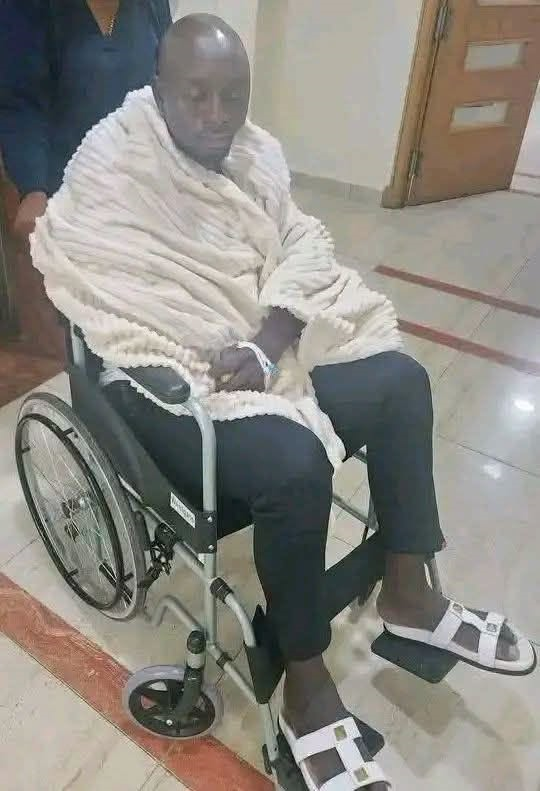 Amnesty has separately urged the Zambian authorities to arrange an urgent medical assessment for Banda by a qualified health professional.
The call follows reports that the former MP was injured during the operation and subsequently taken to hospital in Lusaka. Those reports have not been fully detailed in the police statement, and the authorities have not publicly confirmed the nature or extent of any injuries.
The organisation also called for Banda to have confidential access to a lawyer and contact with his family, and for authorities to disclose the legal basis of his detention.
These requests concern the safeguards that should apply to a person in state custody, regardless of the allegations that person may face.
Police have said Banda is awaiting formal arrest and charging, but have not publicly set out the charges to be brought following his return or confirmed when he will appear before a court.
What have Zambia and Mozambique said?
Zambia Police have publicly confirmed Banda’s apprehension and presence in the country. In its October 16 statement, the service said further details would be provided in due course.
The police statement did not explain whether Banda was formally extradited, returned through another legal process or transferred under an arrangement involving authorities in Mozambique.
No public response from the Mozambican government addressing Amnesty’s concerns or explaining its role in the operation could be independently verified at the time of publication.
Zimbabwe also features in the background to the case. Before Banda’s apprehension was confirmed, the Zimbabwe Republic Police announced that it was cooperating with the Zambia Police Service to locate five Zambian fugitives believed to be in Zimbabwe. That announcement did not confirm Banda’s arrest in Mozambique or establish that Zimbabwean authorities participated in his transfer.
The absence of a verified public response from Mozambique does not establish that its authorities were unaware of the operation. That question remains unanswered.
Clarification from both governments would help establish where the operation took place, which authorities participated, what legal process was used and whether the relevant safeguards were followed.
Why the circumstances of the transfer matter
Banda had been sought by Zambian authorities after escaping from lawful custody in August 2024, while facing criminal allegations including aggravated robbery and attempted murder.
His return to Zambia may allow the outstanding criminal proceedings to move forward. However, the existence of criminal allegations does not remove the requirement for authorities to follow applicable legal procedures when arresting, transferring and detaining a person.
The legal basis for the cross-border operation is therefore a separate question from the allegations Banda faces in Zambia.
If the operation involved cooperation between Zambian and Mozambican authorities, the governments can clarify the arrangements and legal procedures followed. If another process was used, an official explanation would help establish its basis.
Amnesty’s intervention focuses on those questions rather than determining Banda’s guilt or innocence in the criminal cases against him.
A case with a wider human rights dimension
The case also brings renewed attention to concerns about the treatment of people held in state custody, access to legal representation and transparency surrounding cross-border law enforcement operations.
Amnesty has called for Banda’s legal status and current condition to be clarified urgently. Its position is that the authorities should either establish lawful grounds for his continued detention before a competent court or facilitate his release, while ensuring access to medical care, legal counsel and family.
The Zambian Police Service has confirmed that Banda is back in the country but has yet to provide a detailed public account of the operation.
For now, key questions remain unanswered: what legal process was used to bring Banda from Mozambique to Zambia, what role the Mozambican authorities played, where he is being held and what medical care he is receiving.
Zambian Eye will continue to follow the responses from the two governments and any further information from police or the courts.
The central issue now is not simply that Banda has been apprehended, but whether the authorities can provide a clear account of the operation and demonstrate that the applicable legal safeguards were respected.