

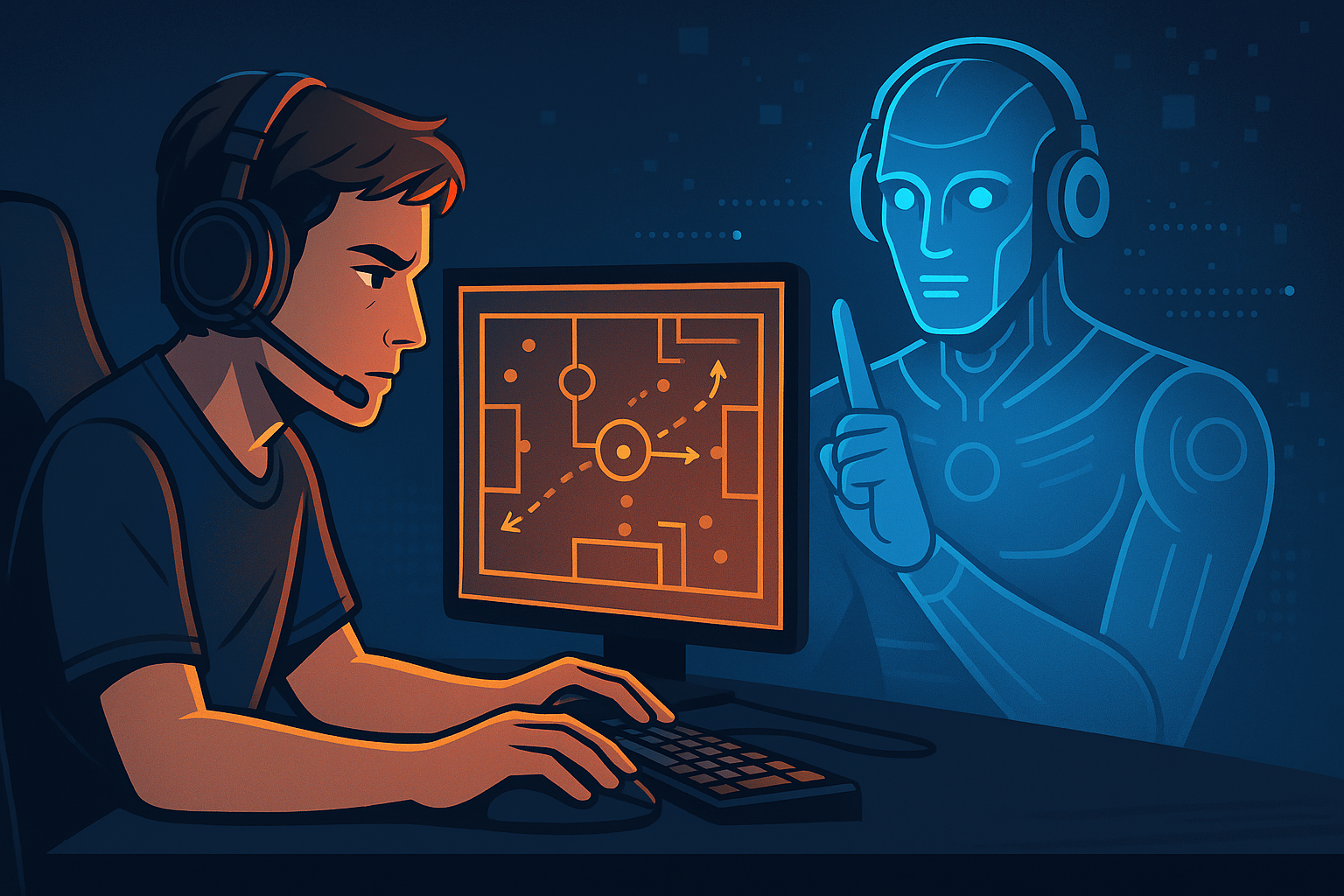
 Artificial intelligence is no longer on the sidelines of competitive gaming. In 2025, AI coaches stand shoulder to shoulder with traditional analysts, reviewing replays, dissecting strategies, and guiding players before they even log in for practice. To some, this looks like progress — a way to train smarter, spot weaknesses faster, and play with greater precision. Others, however, raise an eyebrow and ask: if algorithms do the thinking, what happens to human creativity? Platforms like 1xbet already highlight the growing marriage of esports and technology, offering followers live stats and a closer view of how machines reshape modern competition.
Why Teams Turn to AI Coaches
AI is built to process data far beyond human capacity. In esports, where a split second decides victory or defeat, that advantage matters. A traditional coach may rewatch hours of replays, yet still miss hidden patterns. AI systems crunch thousands of games, revealing tendencies in opponent tactics that no single human eye could track.
Comparing Roles in Esports Coaching
| Category | Human Coach Strengths | AI Coach Strengths |
| Emotional Support | High | None |
| Data Processing | Limited | Massive scale |
| Real-time Calls | Flexible | Fast but rigid |
| Creativity | Strong | Weak |
The Mixed Feelings Among Players
Players often describe AI as a double-edged sword. Many admit they value the efficiency: no wasted time in training, clear data on mistakes, and guidance tailored to personal habits. Yet when the clock is ticking in a live match, some say algorithms can feel suffocating. They worry that AI advice doesn’t leave space for instinct, the gut decisions that often make the difference in championship games. Younger players tend to accept AI support more readily, while veterans resist handing over too much control. This generational divide reflects broader debates across esports.
Leagues now publish statistics comparing teams with and without AI support. The numbers are striking: squads using AI assistance improve win rates by nearly 8% across a season. They commit fewer late-game errors and often secure faster victories. But another figure is equally telling — adaptability drops. Teams that rely heavily on AI can look lost when rivals throw unexpected tactics into the mix. Data proves the trade-off between precision and flexibility is real.
Where Ethics and Fairness Collide
Esports prides itself on fair play. Introducing AI raises uncomfortable questions. Some compare it to an unfair advantage — a tool that blurs the line between coaching and automation. Tournament organizers wrestle with rules. Should AI be limited to pre-game preparation? Banned entirely during live matches? Or allowed without restriction? The lack of consensus creates tension. Players wonder if outcomes reflect skill or software. Fans, too, question whether they are watching human brilliance or algorithmic execution.
With algorithms guiding every decision, this spark risks fading. If too many choices come pre-packaged, creativity shrinks and instinct dulls. Analysts warn that three skills are most at risk: tactical improvisation, risk-taking under pressure, and reading the psychological cues of opponents.
Skills Vulnerable to Over-Reliance on AI
- Creative decision-making in tight spots.
- Confidence to take risks without data support.
- Emotional reading of rivals during competition.
Expanding Beyond Digital Arenas
AI coaching isn’t unique to esports. It spreads across classrooms, workplaces, and even traditional mind sports. Consider https://1xbet.com.lr/en/user/login, where AI analysis helps players at all levels refine openings and endgames. In this light, esports fits into a wider pattern: humans using machines to stretch learning curves. The question remains the same everywhere — where does assistance end and over-reliance begin?
Supporters of AI point to the drama of precision. They enjoy knowing that behind every play lies data-driven insight. But critics insist that esports is about emotion, not sterile calculation. They argue that human error, brilliant comebacks, and instinctive plays are what make the game captivating. I
 Data, Money, and Market Growth
Market analysts agree on one point: AI is not leaving. Reports Investment in AI coaching platforms rises steadily, as teams look for any edge in crowded competitions. Sponsors view it as inevitable — a symbol of professionalism, much like fitness programs or analytics departments in traditional sports.
Where the Road Might Lead
Looking ahead, hybrid models appear most likely. AI will keep handling raw data, providing quick summaries and statistical depth. Human coaches will interpret, adapt, and inject creativity. Players will still make final calls under pressure, keeping the essence of competition alive. The best teams may be those that balance both worlds — using machines for their strengths without letting them erase the unpredictable magic of human play.