


A check at the market found boxes of tomatoes selling between K15 and K25, depending on the quality and size of the produce.
The dramatic fall has been attributed by traders and farmers to an oversupply of tomatoes on the market, with large quantities arriving at the same time.
The collapse means that some farmers are struggling to recover the money spent on seed, fertiliser, labour, transport and other production costs.
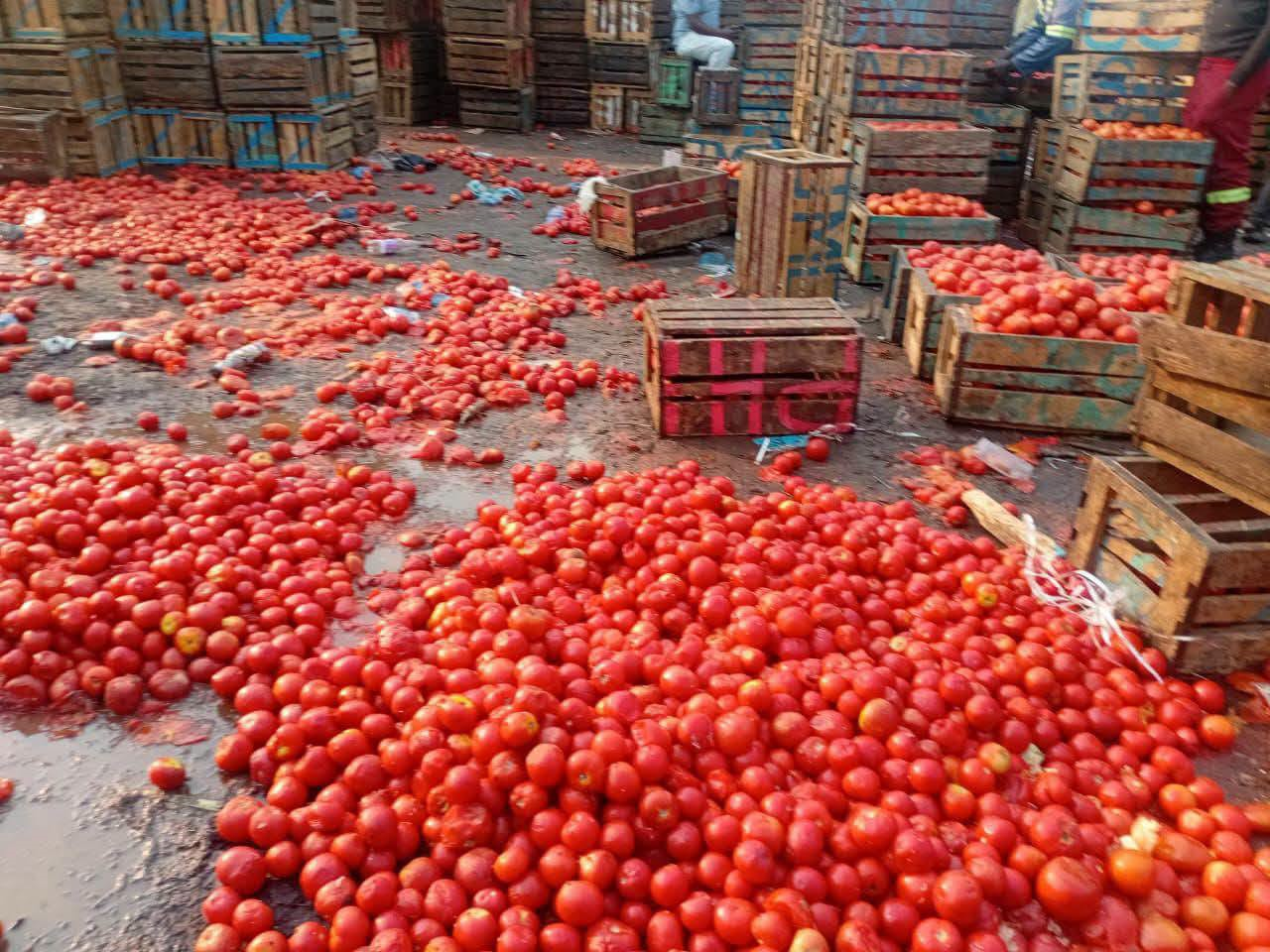
News Diggers reported today that tomato farmers are counting losses as prices fluctuate sharply, with traders at Soweto complaining that the commodity has become difficult to sell because of increased supply.
The development is, however, good news for consumers, who are able to buy tomatoes at prices that would have been difficult to imagine during periods of scarcity.
Tomatoes are not the only fresh produce available at relatively low wholesale prices.
Recent market data from Soweto shows rape at about K6 per kilogram, white cabbage at around K4.55 per kilogram and white onions at K12.50 per kilogram.
However, prices vary according to quality, quantity, seller and time of day.
Soweto is one of Lusaka’s largest and busiest fresh-produce markets and serves as a major source of vegetables for retailers, restaurants and households across the city.
For tomato farmers, the current situation presents the opposite problem to high food prices: abundant production without enough buyers.
Farmers and traders are increasingly calling for more ways of processing and preserving tomatoes so that surplus production does not end up being sold at giveaway prices or going to waste.