


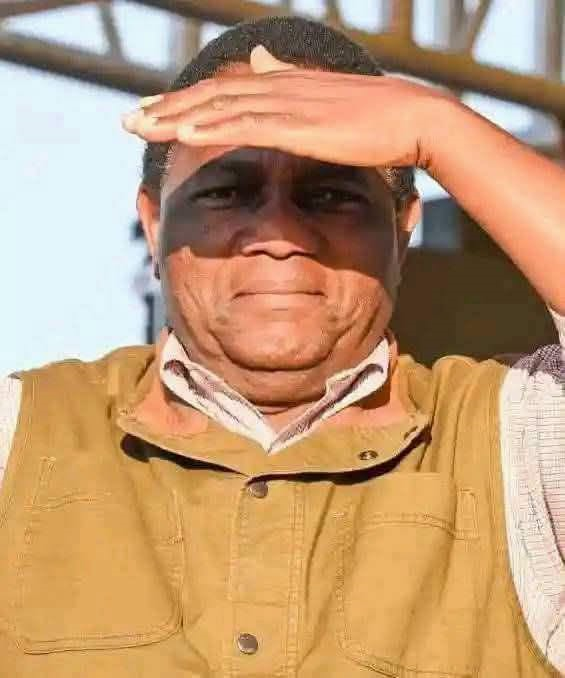
LUSAKA – US restrictions affecting Zambian nationals seeking to travel to America on several visa categories have triggered political reactions, with opposition figure Emmanuel Mwamba questioning the timing and critic Lillian Mutambo welcoming the measures.
But the restrictions did not begin after Zambia signed its controversial health cooperation agreement with the United States. The US measures took effect on January 1, 2026, months before the two countries signed the health agreement on October 8.
The distinction matters as debate grows over Zambia’s relationship with Washington, the health financing deal and a separate critical minerals agreement that has been under negotiation.
What exactly has the United States restricted?
Under Presidential Proclamation 10998, the United States suspended entry for Zambian nationals travelling on immigrant visas and specified non-immigrant visa categories.
The affected non-immigrant categories include B-1 business visas, B-2 tourist and visitor visas, combined B-1/B-2 visas, F academic student visas, M vocational student visas and J exchange visitor visas.
These categories cover a range of travel, including tourism, family visits, business meetings, university studies, vocational training and exchange programmes.
The US State Department cited visa overstay rates in its explanation of the restrictions. The proclamation listed Zambia’s overstay rate at 10.73 percent for B-1/B-2 visas and 21.02 percent for F, M and J visas.
However, the measures are not a blanket prohibition on every Zambian entering the United States under every circumstance. The proclamation provides exceptions, including for lawful permanent residents and certain dual nationals travelling on passports from countries not subject to the restrictions. Other limited exceptions also apply.
The measures also direct US consular officers to reduce the validity of other non-immigrant visas issued to Zambian nationals to the extent permitted by US law.
The specific visa category, the traveller’s circumstances and any applicable exception are therefore important.
Why is the issue resurfacing after the health agreement?
The timing has become a point of political debate because Zambia and the United States signed a five-year health cooperation agreement on October 8, 2026.
Under the agreement, the US is to provide more than US$1.5 billion for Zambia’s priority health programmes, while Zambia has committed to increase domestic health expenditure by US$975 million over five years.
The agreement followed months of negotiations and controversy over proposed provisions involving health data, medical specimens and possible links to access to Zambia’s critical minerals. The Zambian government maintained that the health agreement was separated from mineral negotiations.
The visa restrictions, however, were already in effect from January 1, 2026.
There is no evidence in the published proclamation establishing that the restrictions were imposed because Zambia signed the health agreement. The timing alone does not prove a connection between the two decisions.
The developments nevertheless raise questions about the wider relationship between the two countries and how cooperation in health, trade, investment and other areas will proceed alongside US immigration restrictions.
Mwamba questions the timing
Zambian opposition figure Emmanuel Mwamba, who is based in the United States, reacted critically to the restrictions.
“Before the ink can dry and just after signing the Health Agreement, ati Zambians can’t travel to the USA beginning January 2027. Kwaliba?” he wrote, questioning whether Zambia was being treated fairly and raising the prospect of a separate critical minerals agreement.
Mwamba’s reaction presents the restrictions as a fresh development following the health deal. However, the US government’s published information dates the measures to January 1, 2026.
His comments also raise a separate political question: whether Zambia should proceed with the proposed critical minerals agreement and what terms it should seek.
The visa proclamation itself does not establish that the health agreement and the travel restrictions are linked.
Mutambo welcomes the restrictions
UK-based Zambian government critic Lillian Mutambo took a different position, welcoming the measures in a social media post.
Mutambo argued that the restrictions could affect people who travel to the United States and subsequently seek asylum, and referred to Zambian critics of the government whose passports have been cancelled.
Her comments also referred to individuals she believes could be affected by the restrictions.
These are Mutambo’s political views, not an official explanation from the US government. The published proclamation does not identify Zambian government critics, cancelled passports or asylum claims as the specific basis for the measures.
The proclamation instead sets out immigration-related restrictions and cites visa overstay rates.
What does this mean for Zambians?
The restrictions could have serious implications for Zambians seeking to visit relatives, attend business meetings, study at American institutions or participate in exchange programmes under the affected visa categories.
The exact effect depends on the person’s visa status and whether an exception applies. The proclamation’s scope also distinguishes people who are outside the United States and do not hold a valid visa on the applicable effective date, while existing lawful permanent residents are among those exempted.
Zambians planning travel should confirm their individual circumstances with the US Embassy and the US Department of State rather than assuming that every visa or every traveller is treated identically.
The bigger question: immigration restrictions and bilateral cooperation
The dispute highlights an important distinction in international relations: countries can continue to cooperate in one area while imposing restrictions in another.
The US health agreement provides for funding and cooperation in health programmes, while the immigration proclamation governs entry under specified visa categories. The two instruments have different stated purposes, and their coexistence does not by itself demonstrate that one caused the other.
Zambia’s proposed critical minerals agreement is another separate issue. Whether it should proceed, and on what terms, remains a matter for the two governments and public scrutiny.
For now, the key facts are clear: the US restrictions affecting specified visa categories for Zambian nationals took effect in January 2026, before the health agreement was signed in October. The latest political reactions have renewed debate over the restrictions, but no evidence in the proclamation establishes that they were imposed in retaliation for Zambia’s health deal.
Zambian Eye will continue to follow developments in Zambia–US relations, including any official clarification on the visa restrictions and the status of the proposed critical minerals agreement.